
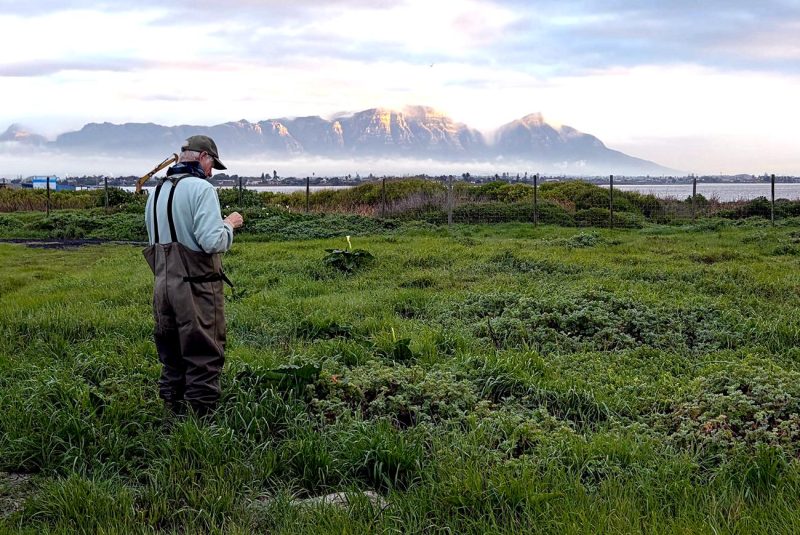
Multiple bird ringing expeditions to the Strandfontein Sewage Works have taken place since the one described in the blog for 24 May 2026. On that trip we ringed 27 Lesser Swamp Warblers, and we thought that was amazing. Subsequently, close on 200 Lesser Swamp Warblers have been ringed at the sewage works, with a maximum of 56 on 7 July.
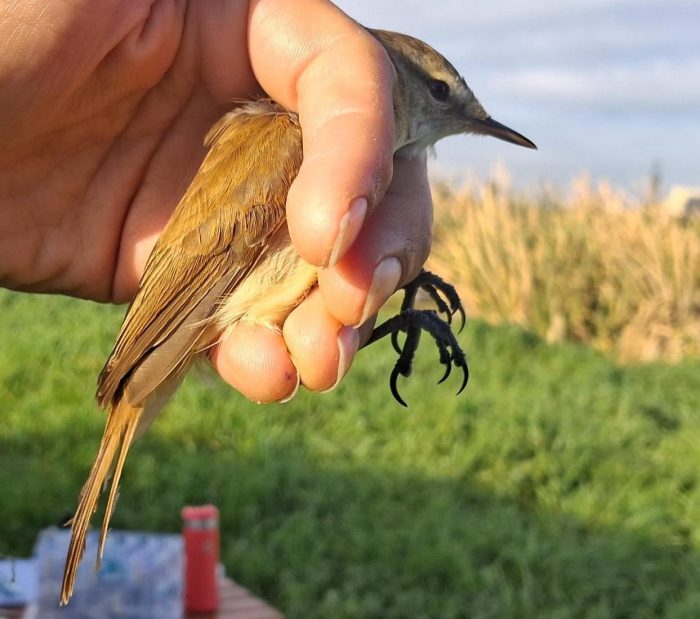
Dieter Oschadleus is exploring lots of different ringing places at the sewage works for Lesser Swamp Warblers. The spot we chose this day was not particularly productive, and we handled only four!
We also caught a Red-knobbed Coot. Two fascinating things to look at with a coot in the hand are the red knobs, and the amazing feet:
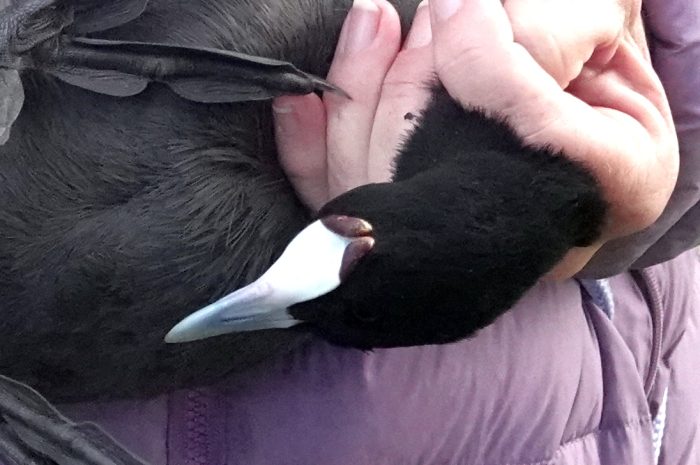
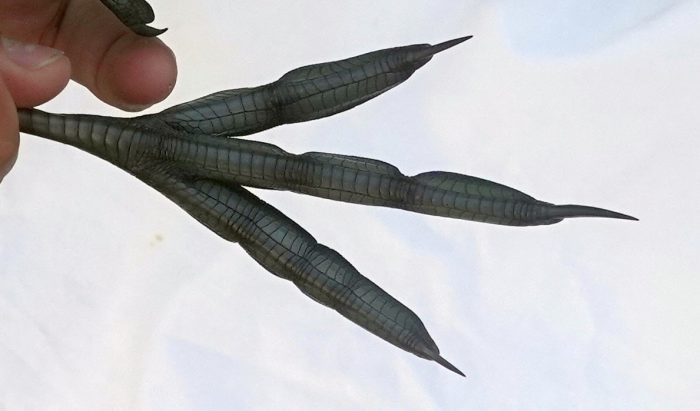
Although we did not hit the jackpot from a bird ringing perspective (nine birds of four species), it was a great morning to be out-of-doors:
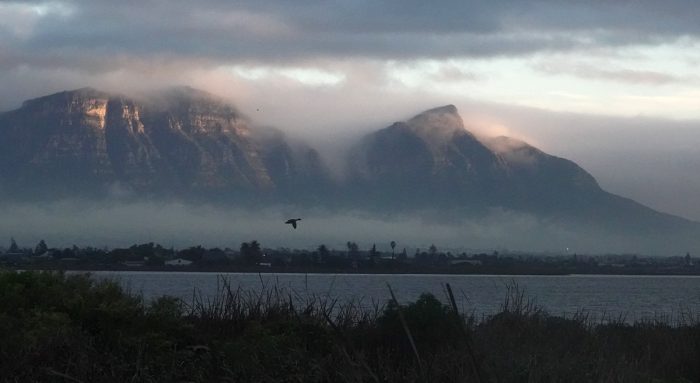
Sunrise, 20 July 2026. That’s a Yellow-billed Duck flying over Zeekoeivlei. The east face of Table Mountain is on the left and Devil’s Peak is on the right; the Saddle, in between is draped in cloud.
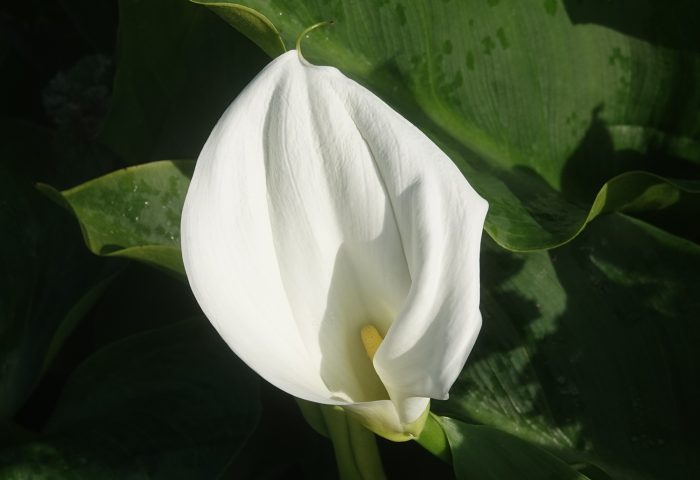
Spring is early, and the “nik nak lilies” are already putting on a good show. The Arum Lily Zantedeschia aethiopica is indigenous in southern Africa, but a dreadful invasive alien in many parts of the world, including Australia and New Zealand.
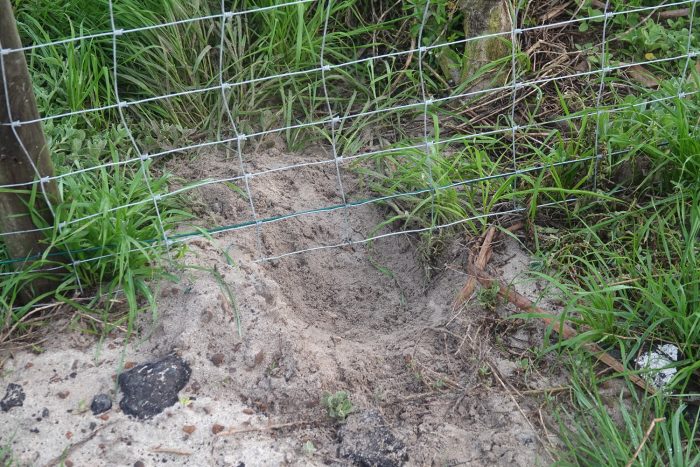
This excavation under the boundary fence is used by Cape Clawless Otters (see footprint) to move between Zeekoeivlei and the sewage works.
You will find a list of future bird ringing events here, and a list of past events with blogs here.