
African Oystercatchers on Robben Island
Hot off the press! A new paper, published in Wader Study and authored by Itxaso Quintana, Rio Button and Prof Les Underhill, describes a single-year study of th...
Hot off the press! A new paper, published in Wader Study and authored by Itxaso Quintana, Rio Button and Prof Les Underhill, describes a single-year study of th...

PHunting season is here. No critter is safe. Citizen scientists are out and about, armed with their cameras, ready to Photo Hunt! Well done to each and everyone...
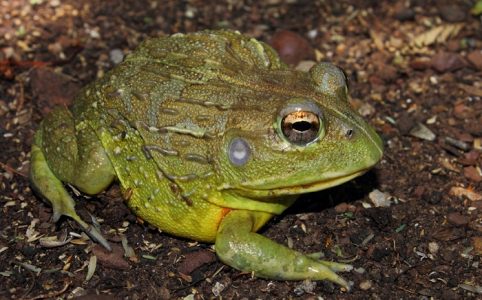
Cover photo by Allison Sharp. Find the Giant Bullfrog in the FBIS database (Freshwater Biodiversity Information System) here. Family Pyxicephalidae Identificati...

During the most recent BDI Citizen Scientist Hour, Les Underhill gave a talk on the current status of OdonataMAP, the Atlas of African Dragonflies and Damselfli...

Please tell us a bit about yourself, your background and what you do: My name is Lucky Okpanachi Atabo. I am a young Nigerian and an active volunteer and advoca...

Identification The Cape Sparrow is a small, boldly patterned bird which is sexually dimorphic; in other words, males and females look different to one another. ...

The Eurasian Oystercatcher Haematopus ostralegus breeds in Europe and Asia. Most move south for the northern winter. Most remain in soutern Europe, some migrate...

The Little Egret Egretta garzetta belongs to a large family of birds called the Ardeidae, the herons, the egrets and the bitterns. The herons are, on average, l...

The focus here is on learning the really common birds which you can expect to see on the coastline in the Western Cape. These are the species you are most likel...

The Virtual Museum (populatrly known as the VM) provides the platform for citizen scientists to contribute to biodiversity research and mapping projects. This i...