The African Oystercatchers on the coastline of Robben Island have been counted about 190 times since 2001. The earliest counts were of around 150 birds. The end of the blog will reveal what number was recorded on 17 May 2026.

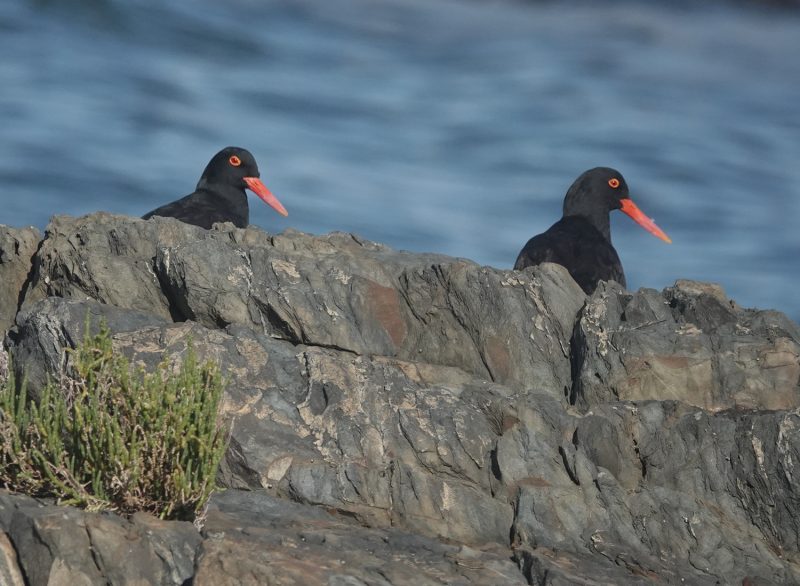
Counting African Oystercatchers on Robben Island is not as easy as most people imagine it must be. The pair on the rocks in the foreground on the right are easy to spot, especially with the surf behind them. The second pair on the rocks among the cormorants and Kelp Gulls just right of centre are trickier.
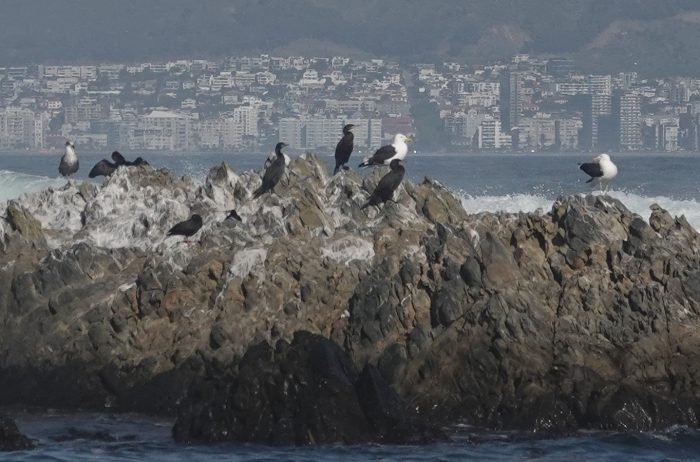
The oystercatcher of the left has its bright red bill tucked under a wing, and the red eye ring is just visible with binoculars, and its mate is partly obscured behind a rock.
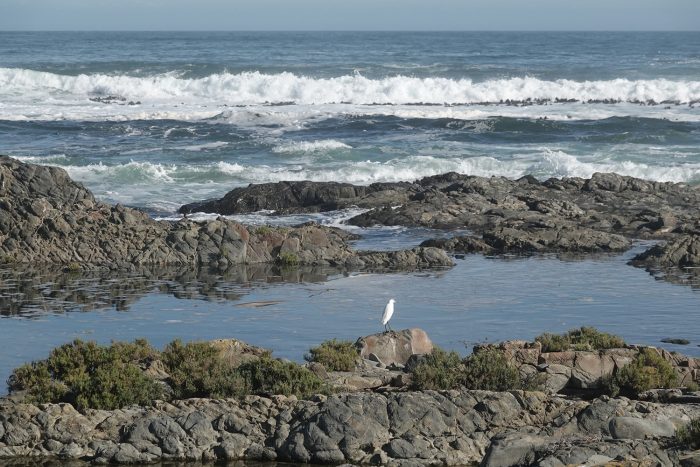
There are is a good variety of species on the shore. This Little Egret feeds in the rock pools at low tide, but during the spring high tide stands on a rock and waits for the opportunity to return to hunting.
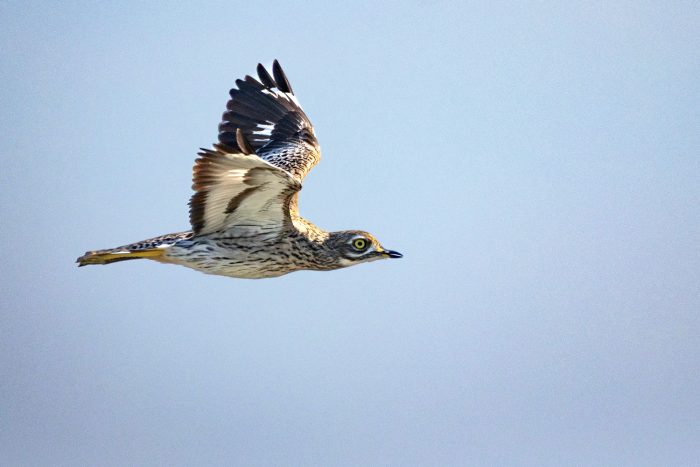
Spotted Thick-knees roost in the vegetation above the high water line.
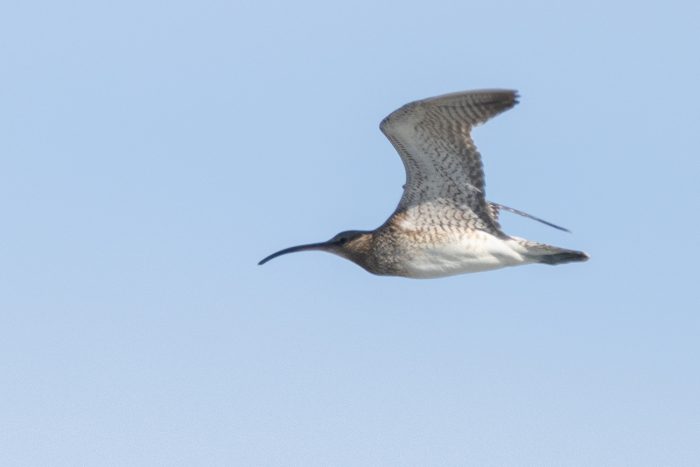
Eurasian Whimbrels ought to be arriving on their breeding grounds in Siberia about now. We saw about 20. These are mostly young birds. Whimbrels do not start breeding until they are several years old, and it is pointless migrating 20,000 km there and back for nothing, so they stay put for the southern winter.
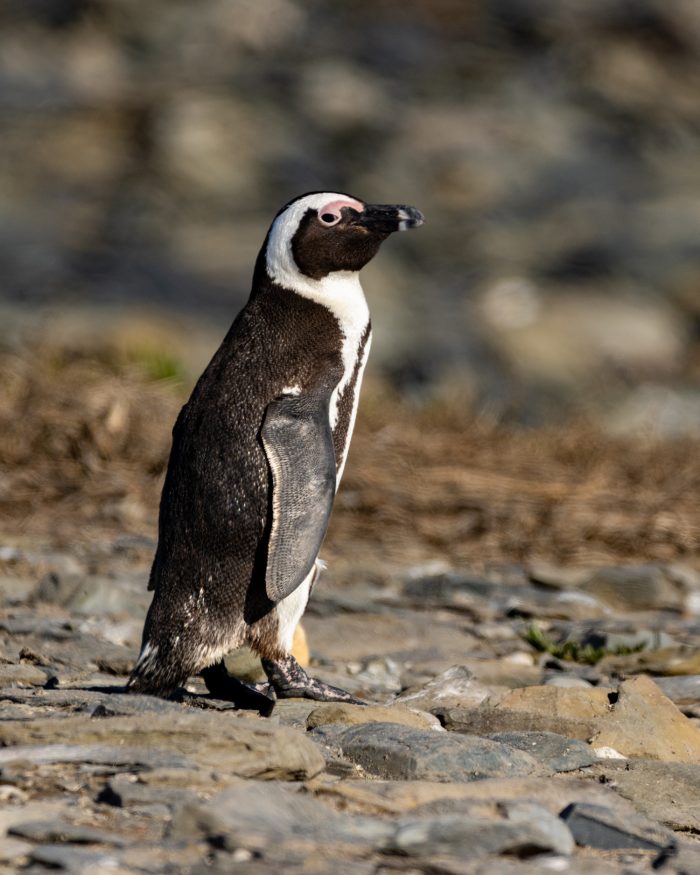
African Penguins restarted breeding in Robben Island in 1984. In spite of the Apollo Sea oil spill of 1994 and the Treasure oil spill of 2000 knocking numbers downwards, they reached a peak abundance on the island in 2007. The number of breeding pairs now is about 10% of that peak.
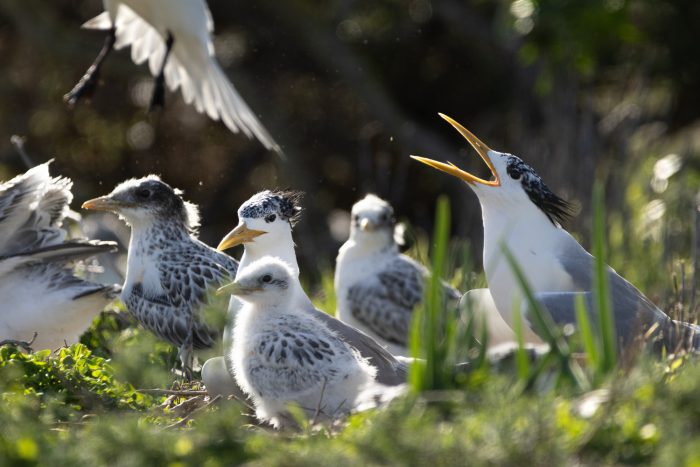
In the centre of the island, near the village is a large colony of Greater Crested Terns and also Hartlaub’s Gulls.
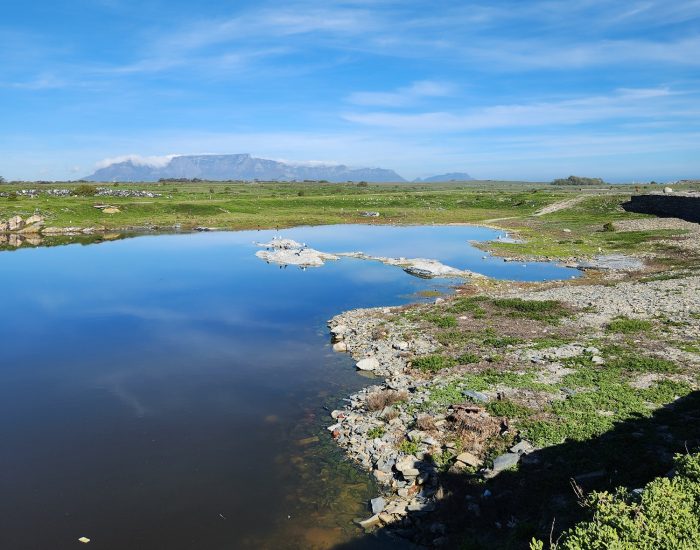
After the start of the wet winter season, the Blue Stone Quarry, on the north side of the island, is full. The island has turned green after a long, dry, brown summer. There’s a handful of oystercatchers on the outcrop of rocks in the middle.
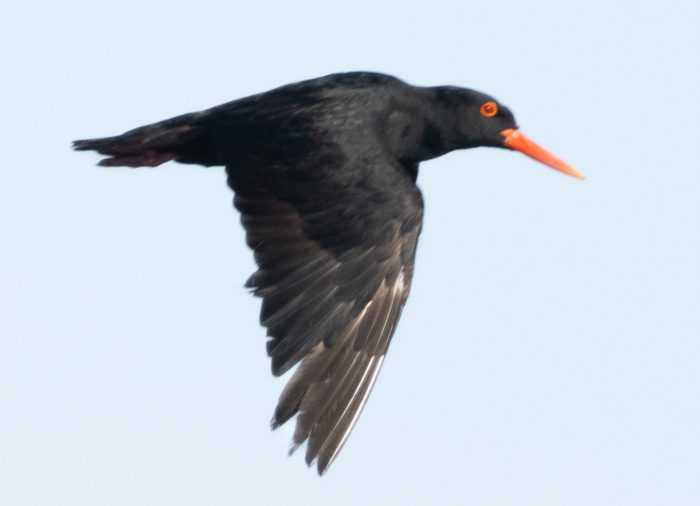
The image below is a close up of the wing of the African Oystercatcher in flight above.
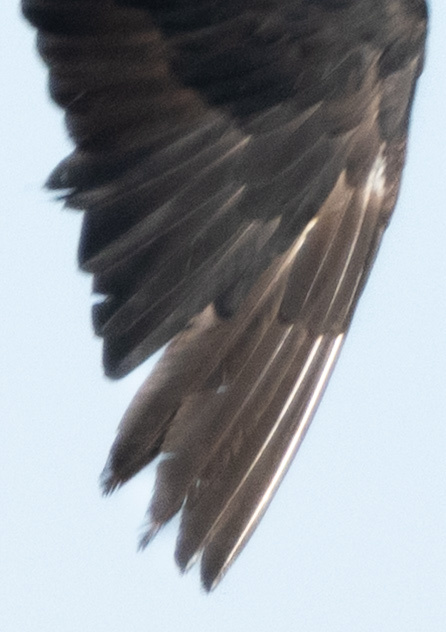
There is a distinct change in the shade of black between the inner primaries and the outer primary feathers. The newly grown inner primaries are dark black. The colour of the outer four primaries has faded from black to a brownish back. They have spent a year in the sun. Their tips are fraying; they have reached their “best before” date. The third primary from the end looks especially worn; the end of the feather has so few barbs that it is becoming transparent. In the gap between the new and old primaries is one that is halfway grown.
The process of feather replacement is energetically demanding. Adult African Oystercatchers start primary moult soon after the end of their midsummer breeding season, mostly in March and April. Moult continues at a slow pace through winter, taking five months, and finishes in spring, August and September. Within a couple of months, they will have their next breeding season, starting from November.
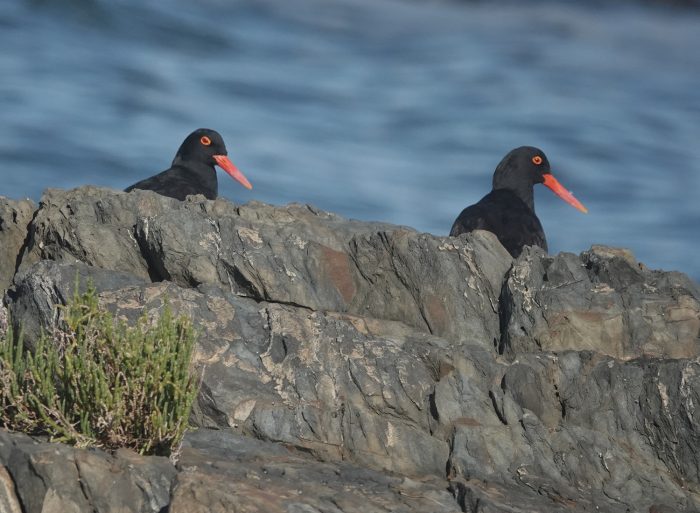
The total for 17 May 2026 was 479 birds. This number is very much in line with recent counts of African Oystercatchers on Robben Island, and a three-fold increase since we started these counts 25 years ago.
The very first count made on the island was 40 African Oystercatchers on 18 August 1977, reported in Phil Hockey’s PhD thesis. The reasons for the massive increase include a huge reduction in human disturbance along the shoreline, and the invasion of the coastline with the Mediterranean Mussel, an alien species that grows faster than the indigenous mussels, and which grows higher up the intertidal zone, providing longer feeding opportunities for the oystercatchers on each tidal cycle. John Yeld wrote an article in GroundUp which provides useful background to the progress of the oystercatchers on Robben Island.
The Robben Island Museum has supported these oystercatcher surveys over the past 25 years, providing logistics on the island, and transport on the ferries to and from the island.
Achot Ginosian made a bird list. We finished on 33 species, which included of course … …
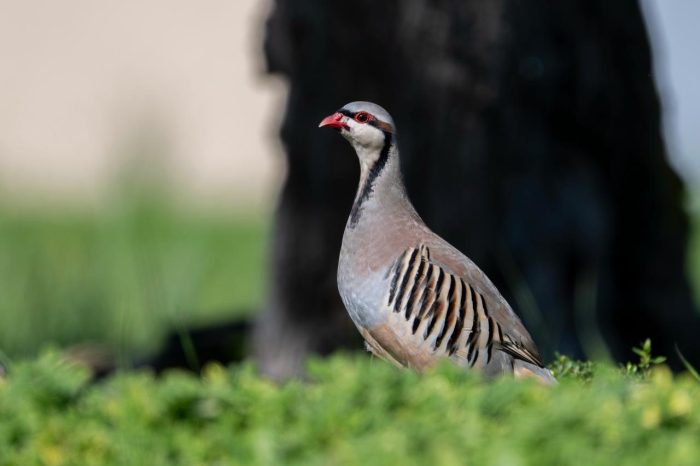
… … the Chukar Partridge!
Here is the bird list! The species in red have links to structured species texts on the BDI website.
| African Oystercatcher |
| African Penguin |
| African Sacred Ibis |
| Bank Cormorant |
| Blacksmith Lapwing |
| Cape Cormorant |
| Cape Gannet |
| Cape Spurfowl |
| Cape Weaver |
| Chukar |
| Crowned Cormorant |
| Egyptian Goose |
| Eurasian Whimbrel |
| European Starling |
| Grey-headed Gull |
| Great Cormorant |
| Great Crested Tern |
| Hadada Ibis |
| Hartlaub’s Gull |
| Helmeted Guineafowl |
| House Sparrow |
| Kelp Gull |
| Laughing Dove |
| Little Egret |
| Pied Crow |
| Red-eyed Dove |
| Ruddy Turnstone |
| Sooty Shearwater |
| Southern Fiscal |
| Speckled Pigeon |
| Spotted Thick-knee |
| White-chinned Petrel |
| White-fronted Plover |
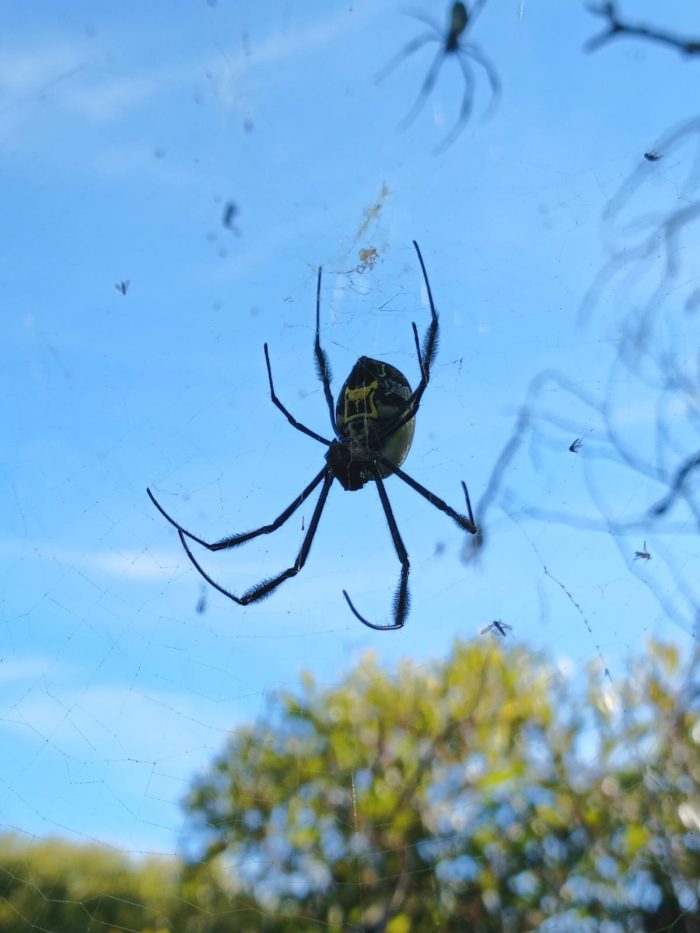
Rene found lots of these. Even though the Black-legged Golden Orb-web Spider is a large spider, up yo 30 mm, it is not as big as its English common name! Until 2002, this species was only recorded east of the Hottentots Holland Mountains. It then spread across the Cape Flats to the Cape Peninsula. It reached Robben Island a few years ago. Autumn is the time of the year when it is most abundant; it spins large webs between trees and shrubs.