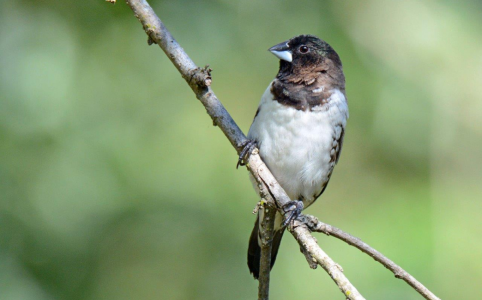
Bronze Mannikin (Spermestes cucullata)
Cover photo of Bronze Mannikin: BirdPix 90010 – Dave Rimmer Identification The Bronze Mannikin or Bronze Munia Spermestes cucullata is a small passerine (...

Cover photo of Bronze Mannikin: BirdPix 90010 – Dave Rimmer Identification The Bronze Mannikin or Bronze Munia Spermestes cucullata is a small passerine (...

Identification The Common (or European) Starling Sturnus vulgaris can be identified by its short tail, pointed head, triangular-shaped wings, and pale speckles ...
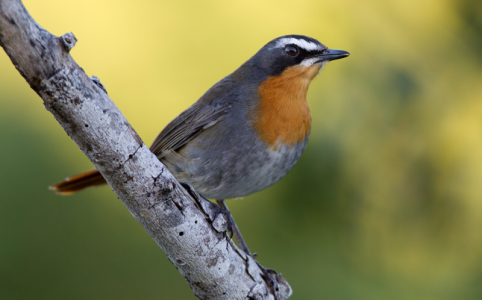
Identification The Cape Robin-Chat can be identified by its dark grey back, orange throat, white “eyebrows” and its orange rump and tail feathers. I...
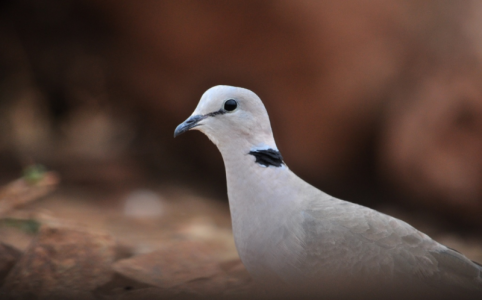
Identification The Ring-necked Dove, also known as the Cape Turtle Dove, is a very common bird species that occurs all over South Africa. It can be identified b...

Identification The Egyptian Goose is not actually a goose, but a shelduck. It has many characteristics of a duck, but also some external traits of a goose. Egyp...

Since the 1980s, many migrant birds have arrived increasingly earlier in Europe in the northern hemisphere spring (March-April-May). This has often been attribu...
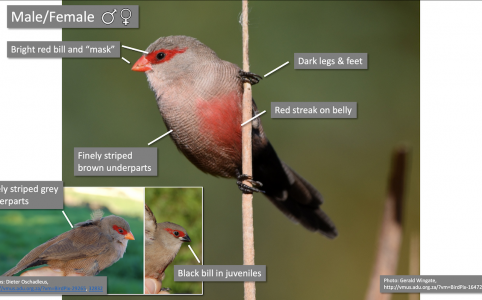
Identification Common Waxbills are small greyish-brown birds. This species is not sexually dimorphic; males females look the same. Overall, the Common Waxbill i...

Cape Canaries are small, brightly-coloured birds. Males and females can be difficult to tell apart; you must look closely!

The Cape White-eye is a very small, fast-moving bird. Males and females look alike but show geographic variation. This term means that one species can look diff...

Identification The Pin-tailed Whydah is a small sexually dimorphic species. Males and females differ dramatically when breeding, and appear similar outside of t...