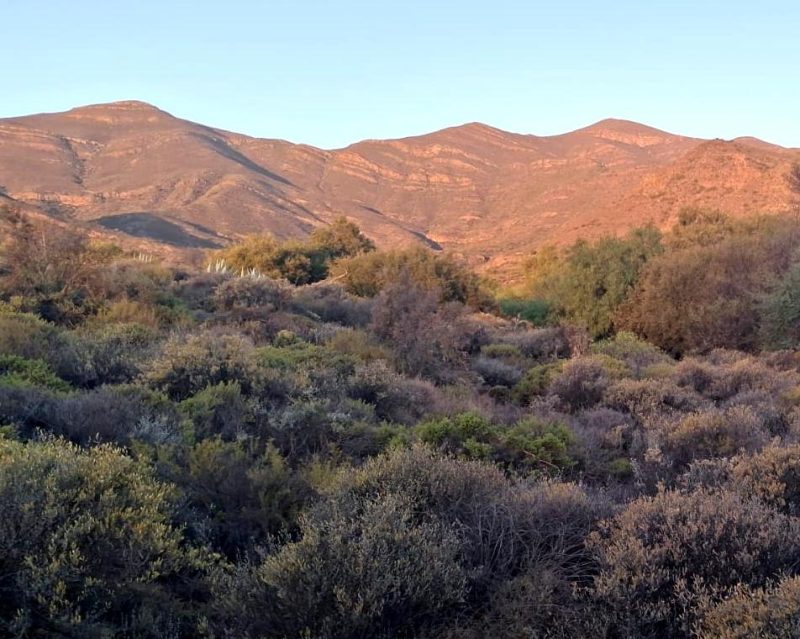
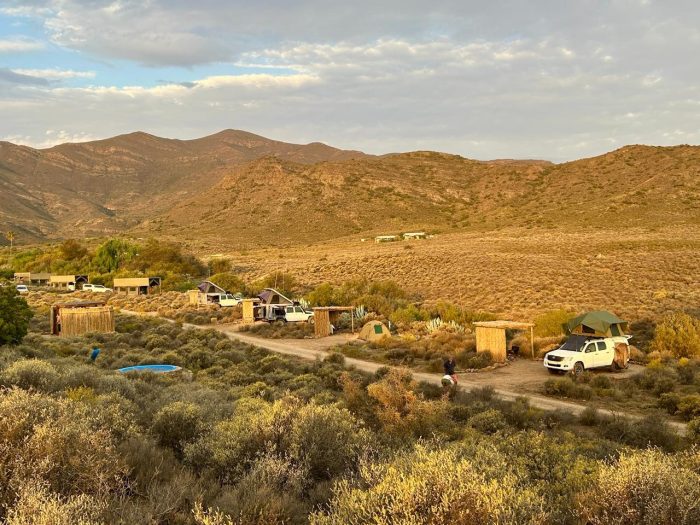
The Ouberg Private Nature Reserve is 20 km northeast of the town of Montagu in the Western Cape. It is in the foothills of big mountains. Three biomes meet here. The vegetation is a mosaic of Fynbos, Albany Thicket and Succulent Karoo.
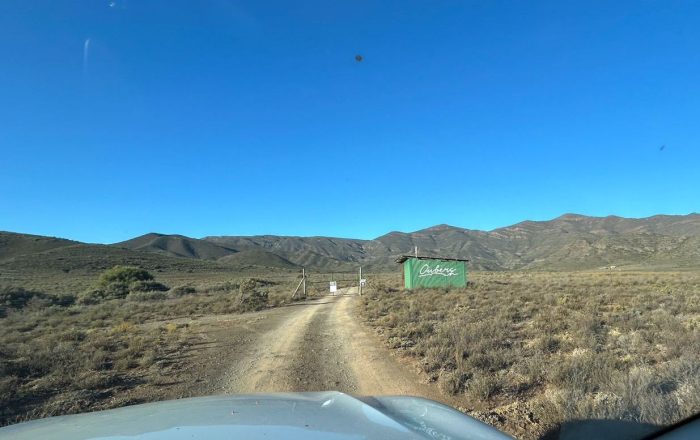
Part 1 : The birds and the ringing
This is one of the Biodiversity and Development Institute’s core ringing sites. We have been ringing here several times a year since 2020. We are steadily building up a population of ringed birds, and we plan to analyse the data we collect. For example, there are no estimates of survival rates for most of the species that we ring. That needs a long-term ringing commitment to a site. There is a blog on the value of bird ringing here.
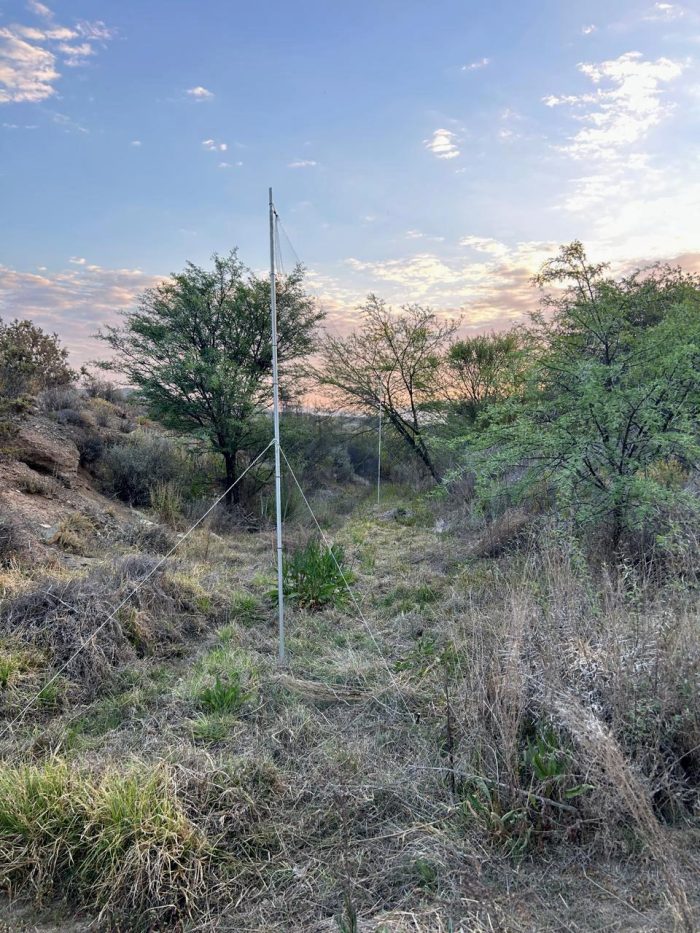
We used mainly mist nets, and we also had spring traps.
We handled a lot of interesting birds!
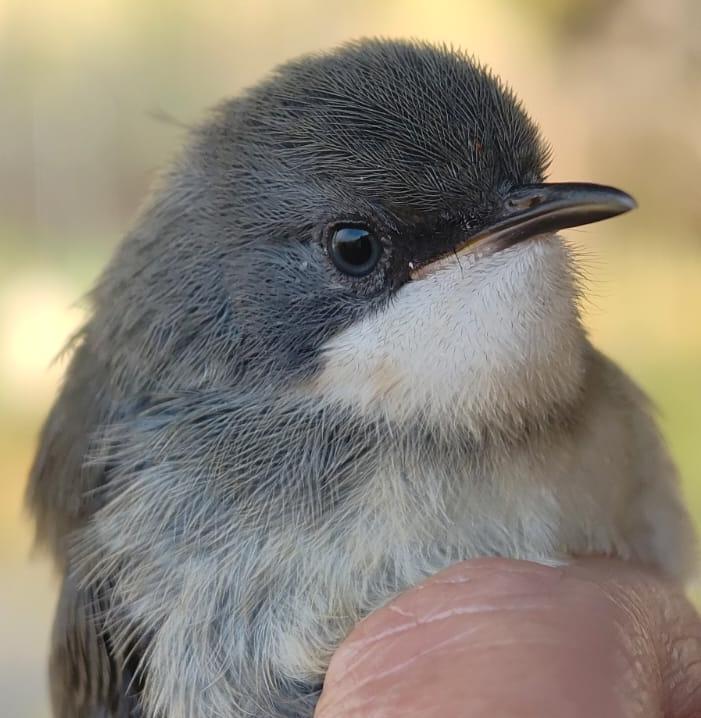
This Bar-throated Apalis hatched this past spring breeding season, so it is probably three or four months old. It is a young bird because it does not yet have a well-developed throat-band, and a dark-grey iris, rather than the white of the adult. The eye colour is not mentioned in the field guides!
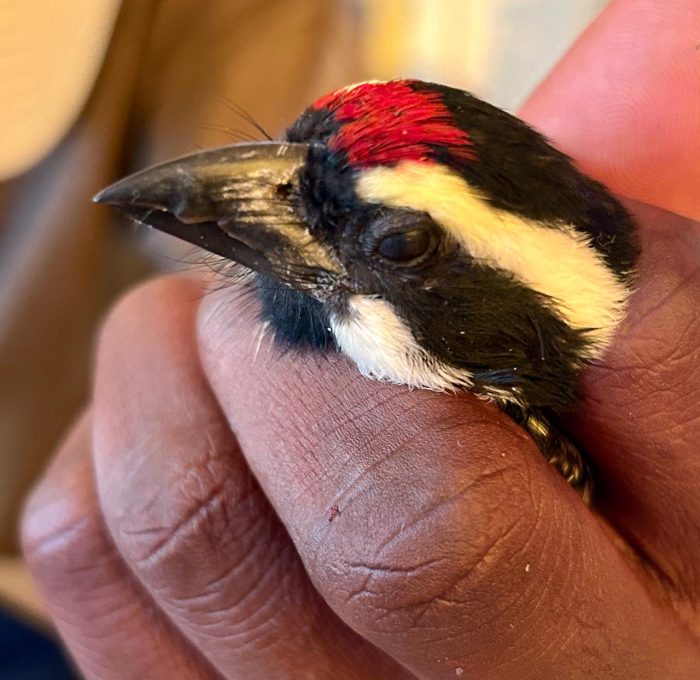
This Acacia Pied Barbet is being held in the ringers’ grip, with the neck between the first finger and the second finger. In this position the bird fits gently against the front of the hand but under complete control. There is no chance of being bitten by that formidable beak, which can draw blood if the bird is not held properly. These are skills you learn as a ringer.
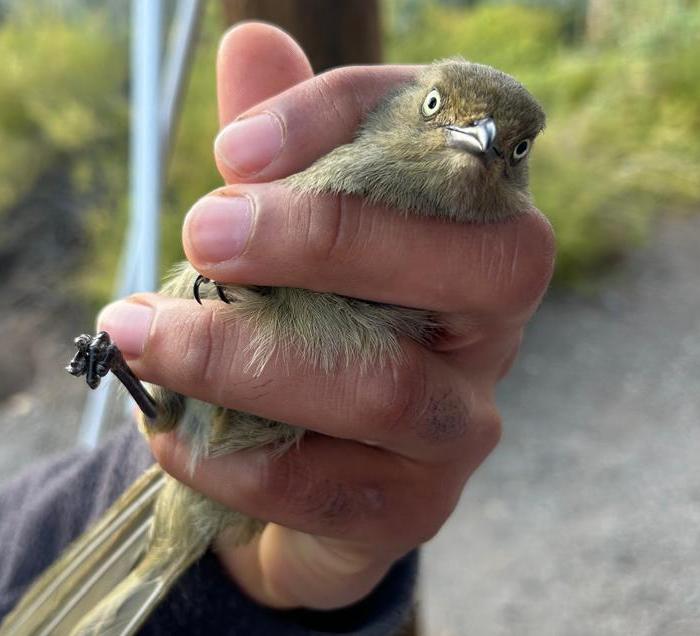
The Sombre Greenbul is not an easy bird to see, because it skulks in the canopy. So when it is in the hand, we get the opportunity to see the creamy white eye. The eyes of a bird appear to be on opposite sides of the head, which gives them a vast field of view. Imagine a circle of vision for each eye. From the photo above, we can tell that these two circles overlap a bit. When the bird looks at an object in this overlap zone, it can see properly in three dimensions, like we do. That makes it possible to guage the distance to fly to a branch, or to the next item of food.
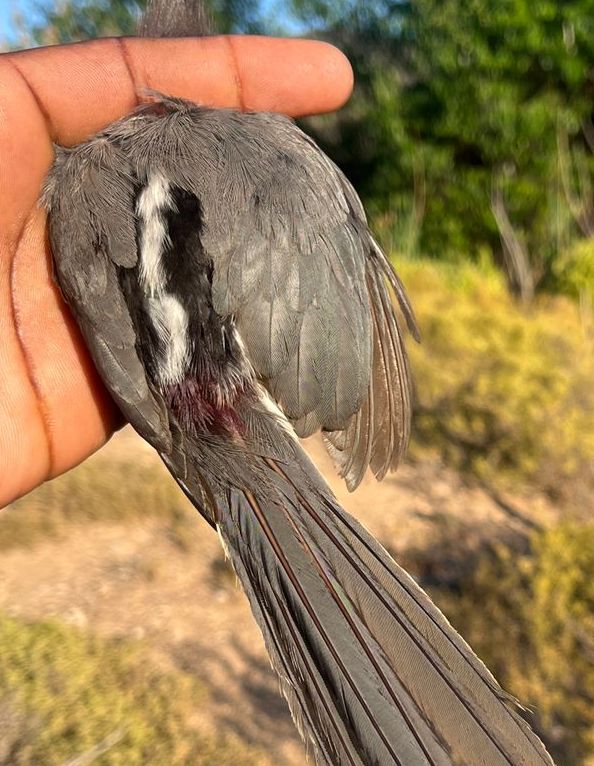
It is only ringers who really get to see the royal purple patch on the rump of a White-backed Mousebird.
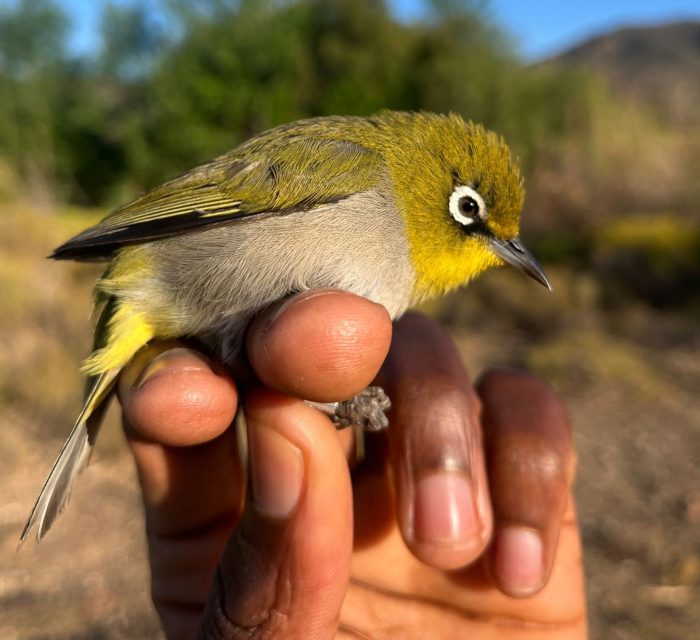
Cape White-eye. The white ring around the eye consists of feathers. Whereas for the …
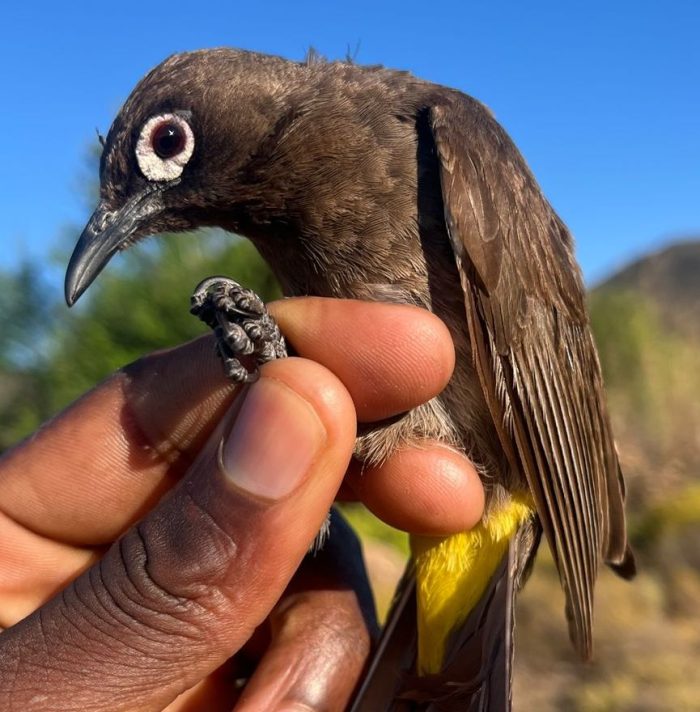
… Cape Bulbul, the white around the eye is bare skin. This bare skin forms an ellipse, and the eye of the Cape Bulbul is a bit to the rear of the centre of the ellipse. In contrast, the African Red-eyed Bulbul has an eye-ring which is circular (and, obviously, red) and the eye is in the centre of the circle.
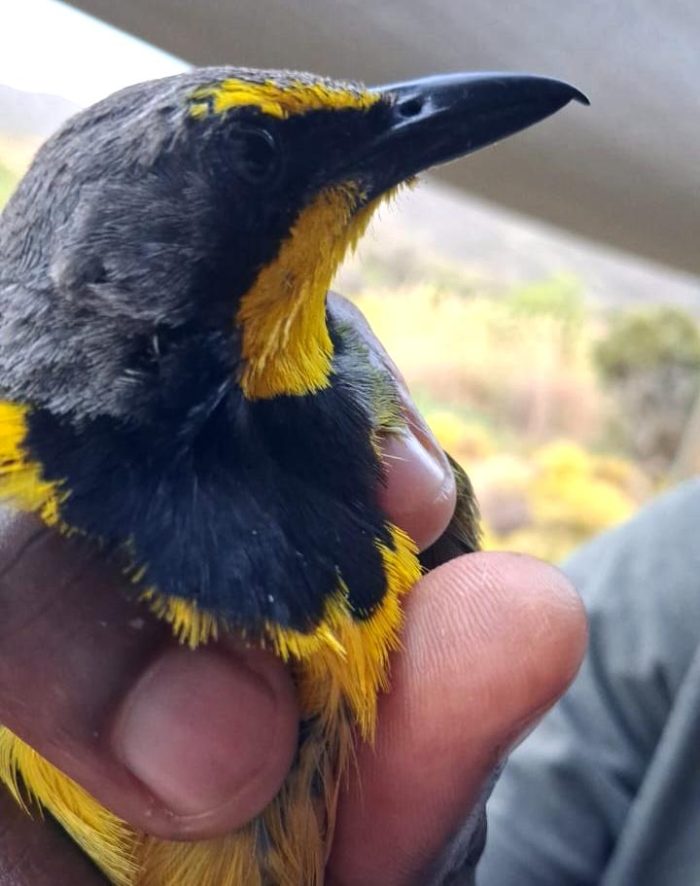
This Bokmakierie was a retrap! 4B16627 was ringed on 23 April 2025, during our last visit here.
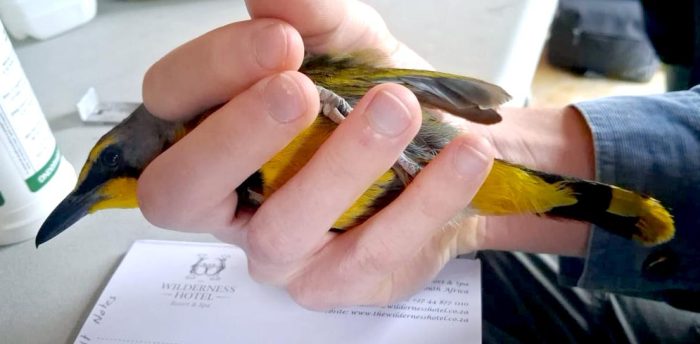
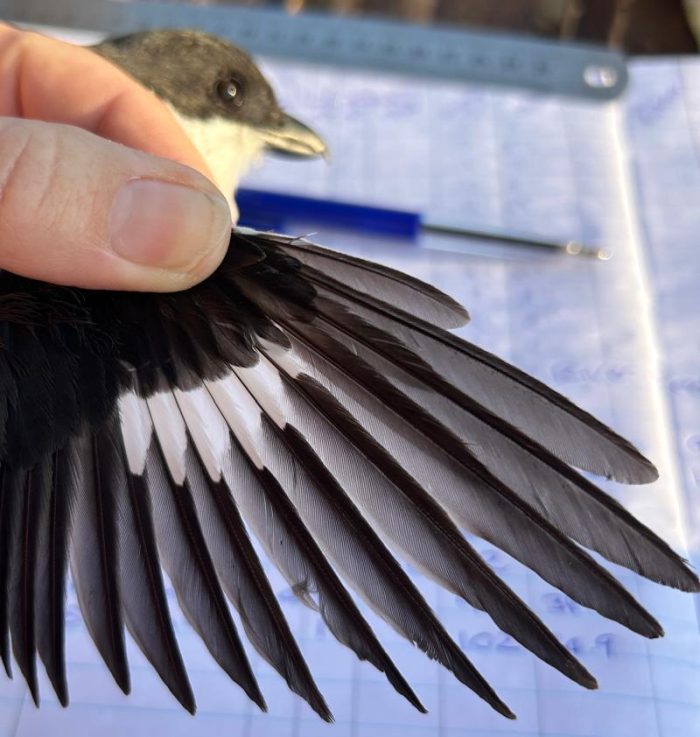
And so was the next Bokmakierie! 4A93536 had been ringed here more than four years ago, on 24 July 2021. It has not been retrapped on any of the about 10 ringing visits we have made to Ouberg since July 2021.
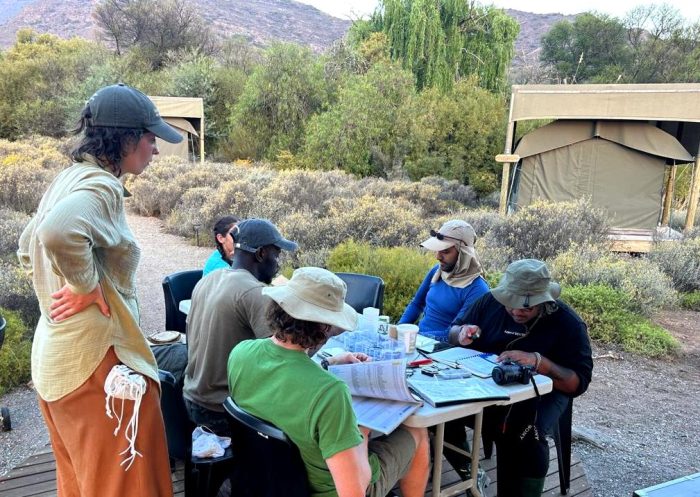
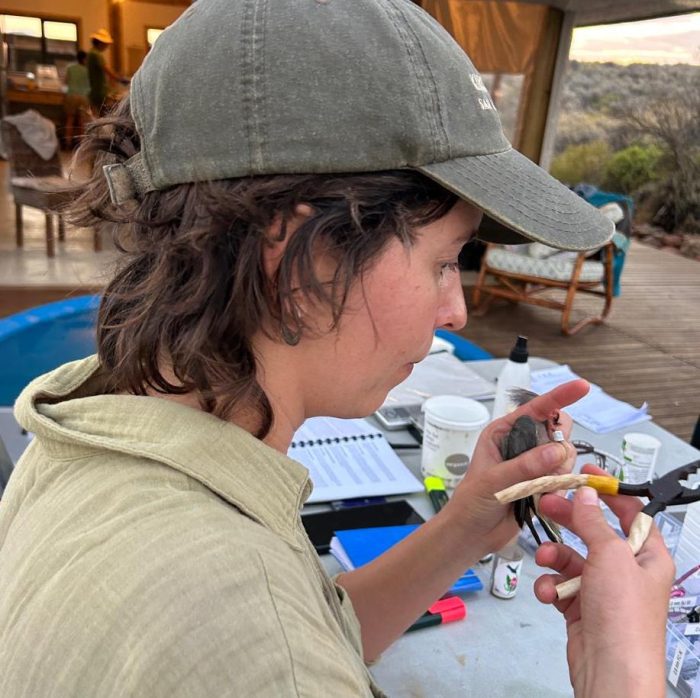
The table below shows that we handled a total of 138 birds, of which an impressive 28 were retraps. The retraps are especially valuable for the statistical analyses which estimate survival rates. But we need to keep this effort up for a bunch more years! Species in red have links to structured species accounts on the BDI website.
| Species | Ringed | Retraps |
| Acacia Pied Barbet | 1 | 0 |
| Bar-throated Apalis | 3 | 0 |
| Cape Bulbul | 13 | 4 |
| Cape Robin-chat | 3 | 7 |
| Cape Sparrow | 25 | 7 |
| Cape Weaver | 5 | 0 |
| Cape White-eye | 18 | 3 |
| Chestnut-vented Warbler | 1 | 0 |
| Common Reed Warbler | 0 | 1 |
| Common Waxbill | 5 | 0 |
| Fiscal Flycatcher | 0 | 1 |
| House Sparrow | 2 | 0 |
| Karoo Prinia | 2 | 1 |
| Lesser Honeyguide | 1 | 0 |
| Olive Thrush | 2 | 1 |
| Pied Starling | 1 | 0 |
| Ring-necked Dove | 1 | 0 |
| Sombre Greenbul | 2 | 0 |
| Southern Fiscal | 1 | 0 |
| Southern Double-collared Sunbird | 1 | 0 |
| Southern Masked Weaver | 10 | 2 |
| Speckled Mousebird | 3 | 0 |
| Speckled Pigeon | 1 | 0 |
| White-backed Mousebird | 9 | 1 |
| Totals | 110 | 28 |
| Total number of birds handled | 138 | |
| Total number of species | 24 |
It seems that many of our previous visits to Ouberg have escaped without a blog! Here are the blogs that do exist!
There is a list of future planned ringing events here. And a list of all past events which do have blog reports is here.
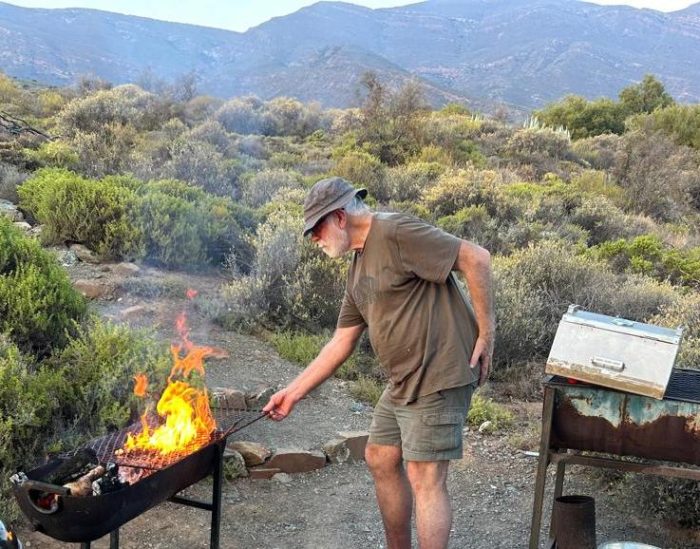
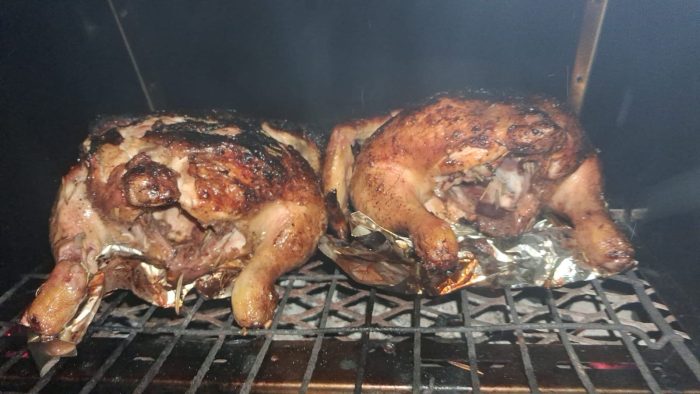
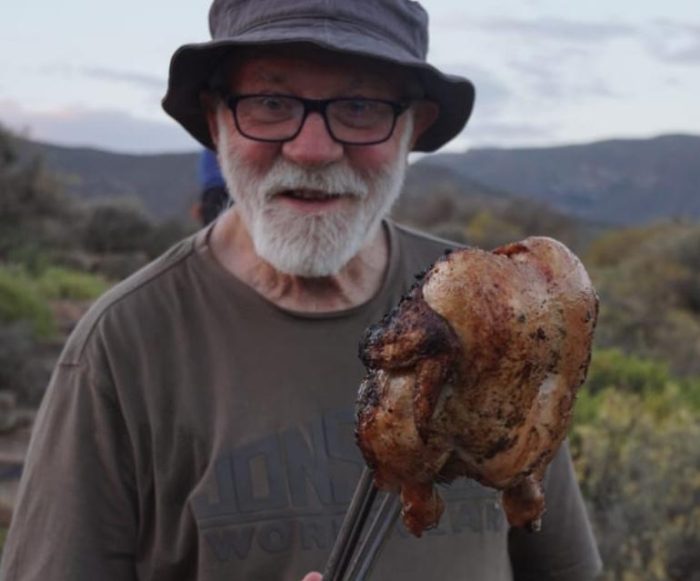
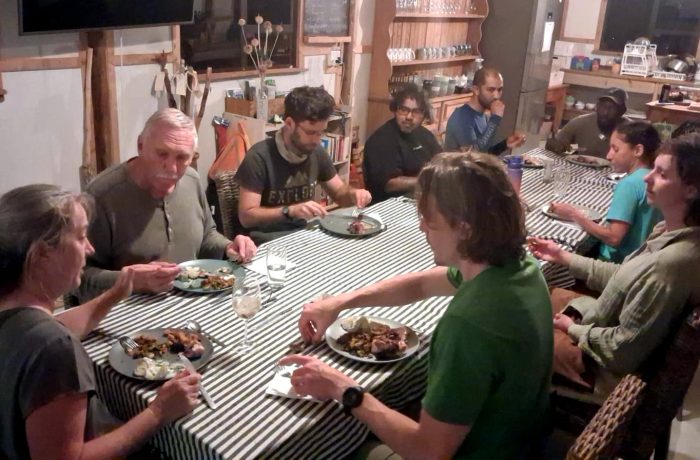
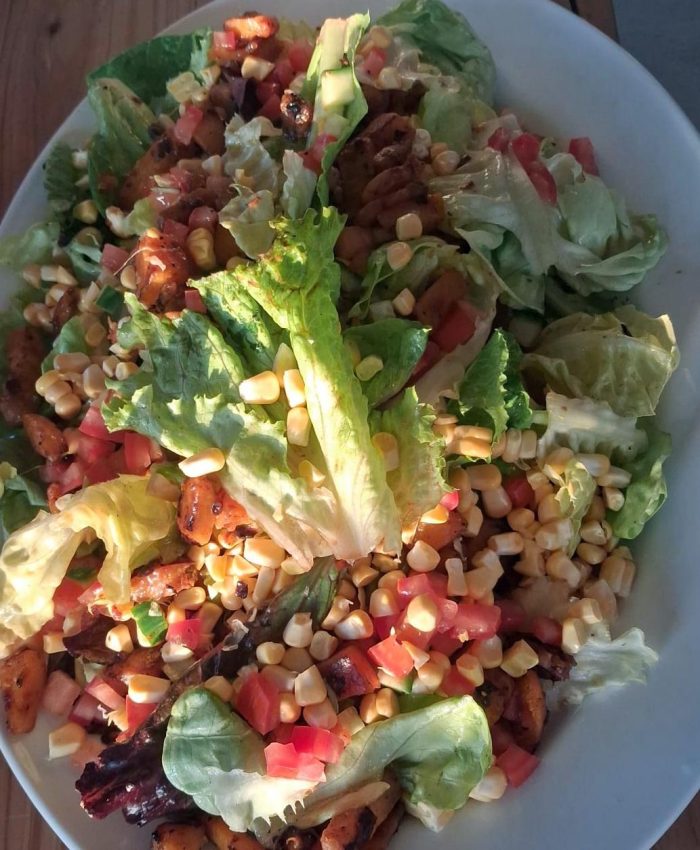
Part 2 : The food
Let the pictures tell the story!
Part 3 : The place
In 2022, Sue Gie made a presentation about the Ouberg Private Nature Reserve at the annual conference of the Southern African Wildlife Management Association (SAWMA). You can listen to it here (15 minutes). It provides a fascinating backdrop to help you understand the history and conservation value of Ouberg.
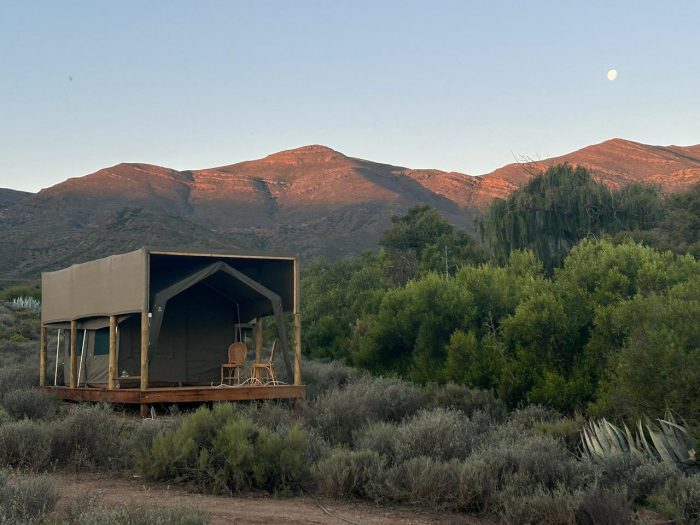
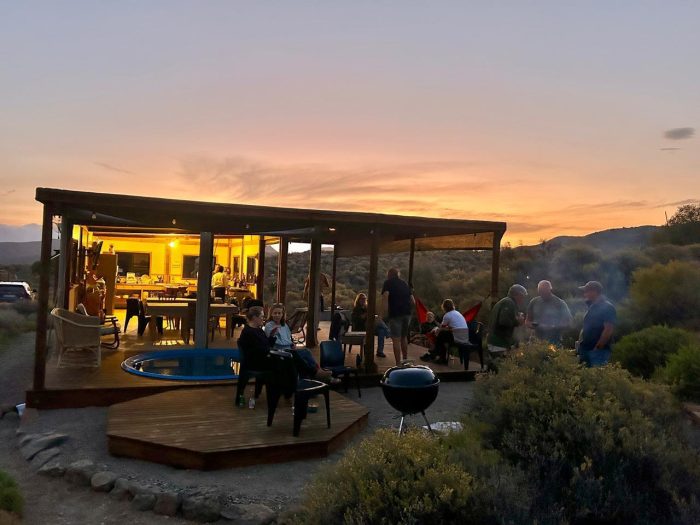
The photos below show the campsite, one of the four glamping tents, and the open-plan kitchen-dining-living space.
Ouberg Private Nature Reserve has a website. It represents an awesome place at which to escape from the city. The email address is info@ouberg.co.za.